


# 46950
PINTO, Fernam (Fernão) Mendez
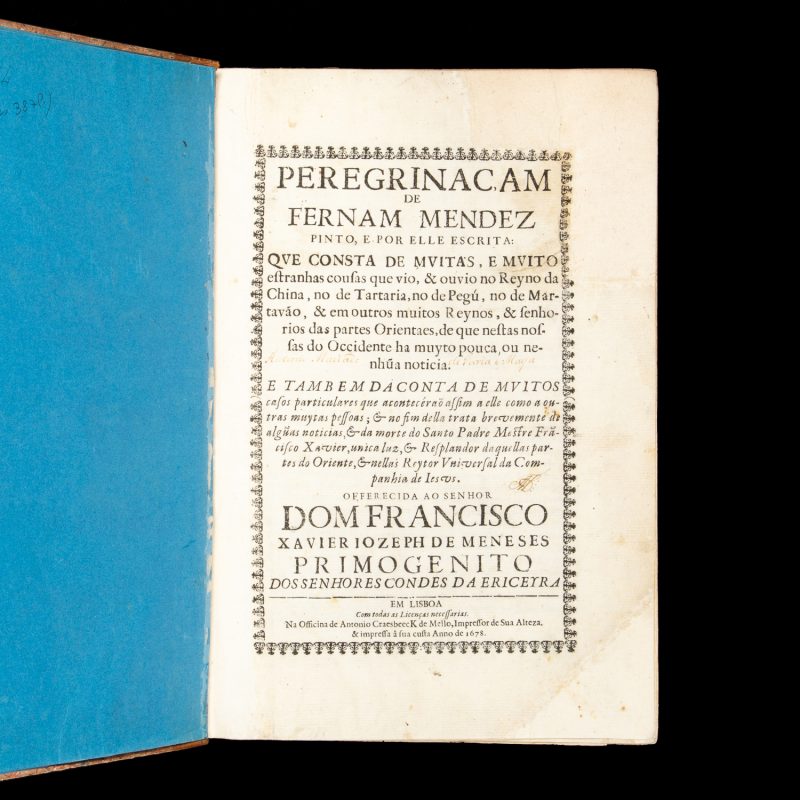
Peregrinacam
$18,500.00 AUD
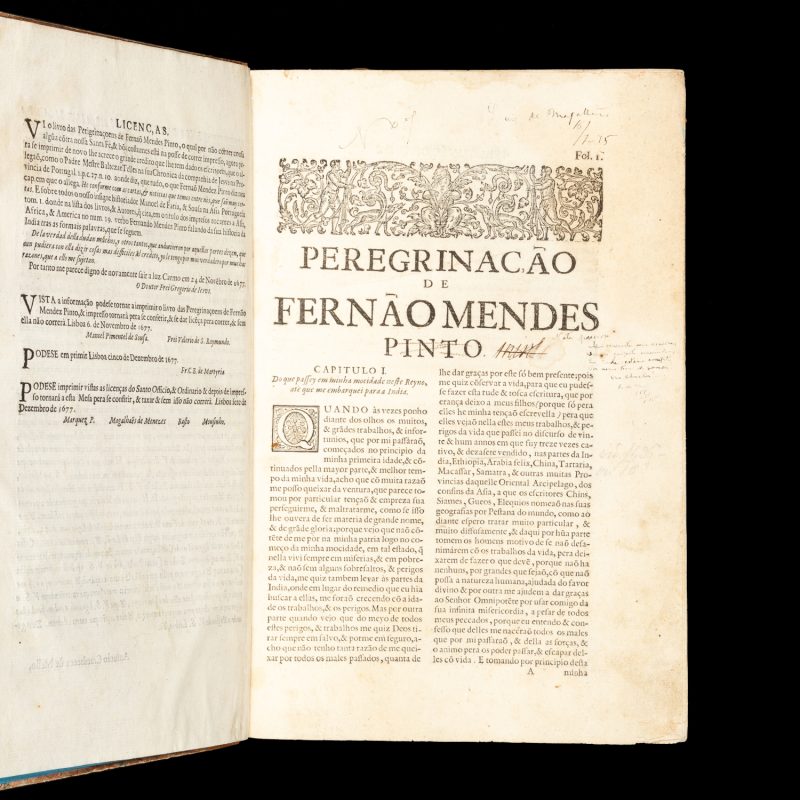
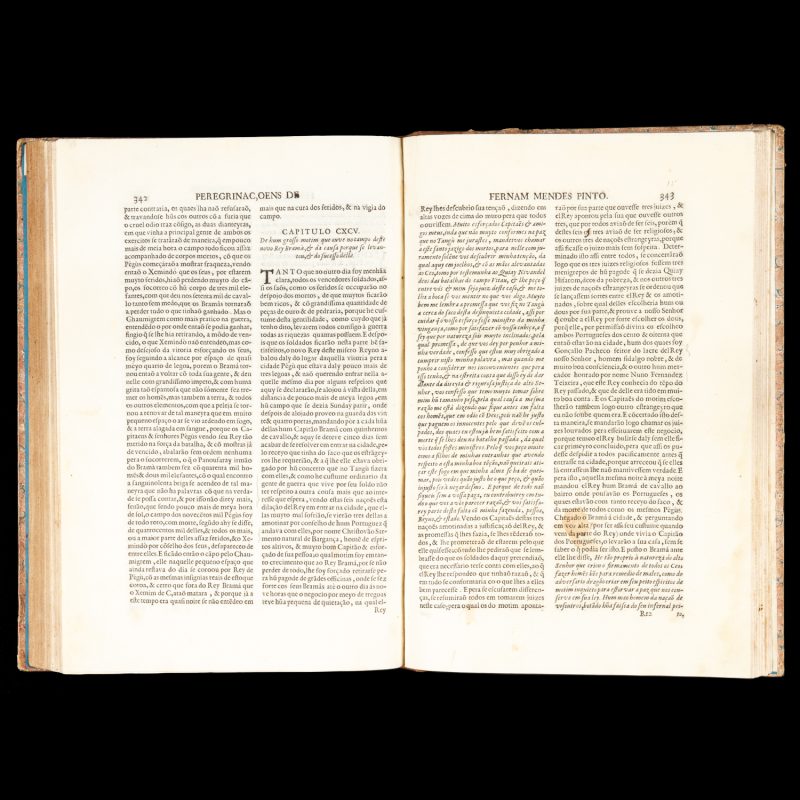
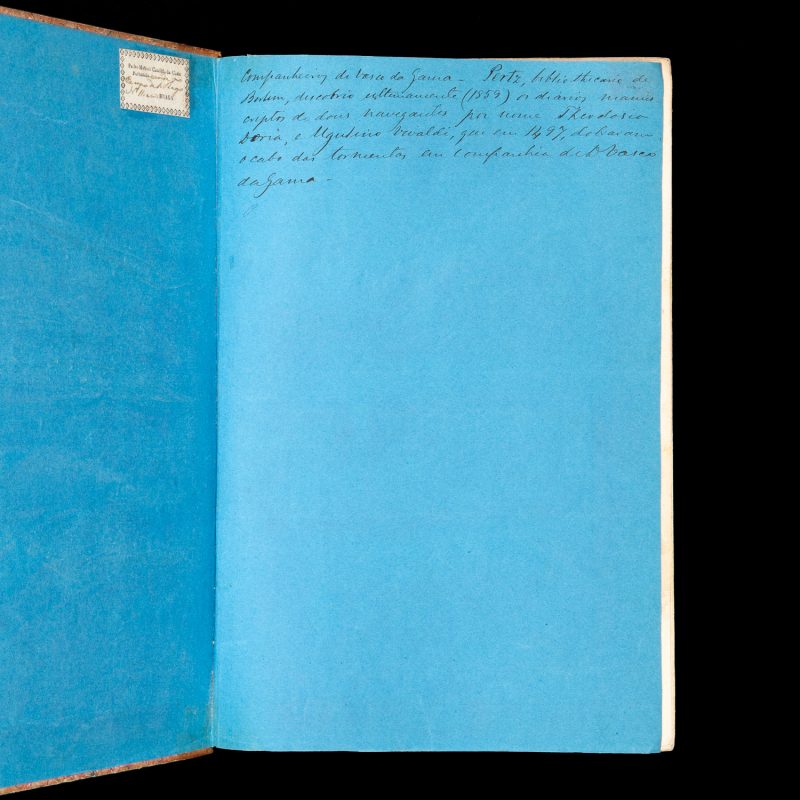
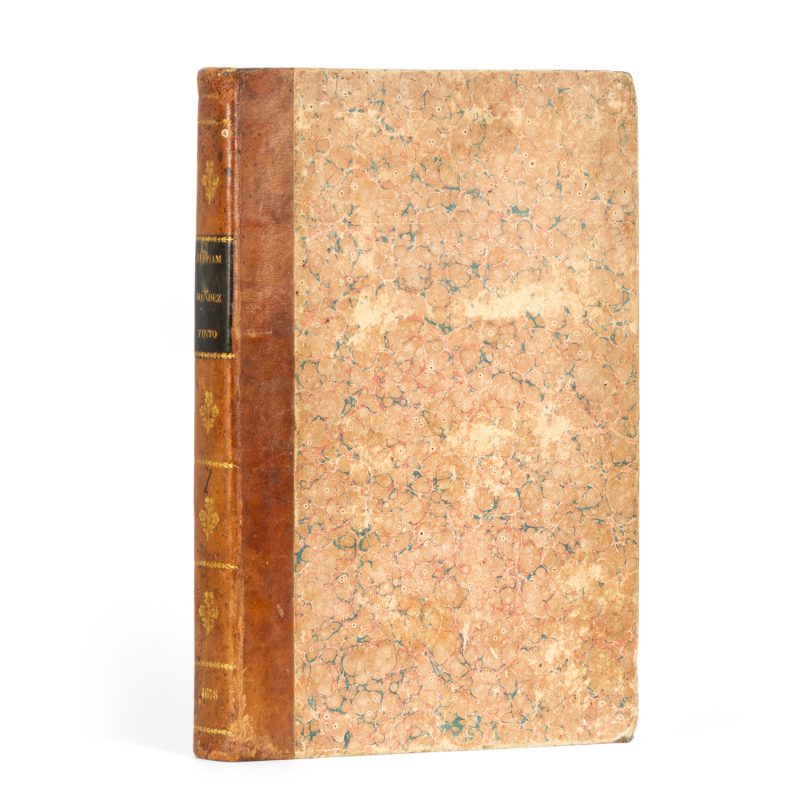
… … no reyno da China, no de Tartaria, no de Pegu, no de Martavao, & em outros muitos reynos y senhorios das partes Orientae … … Lisbon : A. Craesbeeck de Mello, 1678. Folio (330 x 225 mm), later quarter calf over marbled papered boards (rubbed), spine with gilt decoration and black morocco title-piece lettered in gilt; front pastedown with nineteenth-century collection label of Padre Manoel Candido da Costa Fortunato, Braga, and a brief note by him on the recto of the front free-endpaper; verso of free-endpaper with the ex libris of H. P. Kraus; title with early ownership inscription of António de Faria e Maya (Maia); pp. [4], 445 (last two pages of the index misnumbered 144-45); text in two columns, woodcut headpiece and tailpieces; title leaf with loss to the corners with paper restoration, following leaf re-margined, first page of the main text with marginalia and the name ‘Pinto’ struck through, first few leaves with light staining at upper corners, last two leaves with bottom corners restored (not affecting text), a few leaves with insignificant water staining at fore-edge or upper margins, occasional small marks, else internally very clean; a good example with wide margins.
A rare late seventeenth-century Portuguese edition of the Peregrinaçam (Peregrinaçao).
This important account of Asia is largely based on Mendes Pinto’s own observations made between 1537 and 1557. His extensive travels as a soldier, merchant, diplomat, and missionary commenced in Portugal in 1537 in a fleet under the command of the son of Vasco da Gama, and ended with his return in 1558. The Peregrinação contains some of the earliest first-hand accounts by a European of the Malay Peninsula, Siam, Cochin-China, China and Japan. Mendes Pinto was one of the first Europeans to reach Japan (1542), and across four visits he helped St. Francis Xavier to establish the Jesuit missions there. He was admitted to the Society of Jesus in 1554.
The Peregrinação was first published in Lisbon in 1614 by Pedro (Peter) Craesbeeck, grandfather of António Craesbeeck de Mello, the printer of this 1678 edition. The work was enormously successful, and by 1700 had been published in nineteen editions in six languages. According to Catz, it rivalled Cervantes’ Don Quixote in popularity: “It is, in fact, an exotic and imaginative composite of fact and fiction, at once a picaresque prose epic and an authentic picture of sixteenth-century Asia.” (Rebecca D. Catz, The Travels of Mendes Pinto, 15).
Rare Book Hub traces no copy of the 1678 Lisbon edition at auction since 1967.


