# 49454
LODEWIJCKSZ, Willem
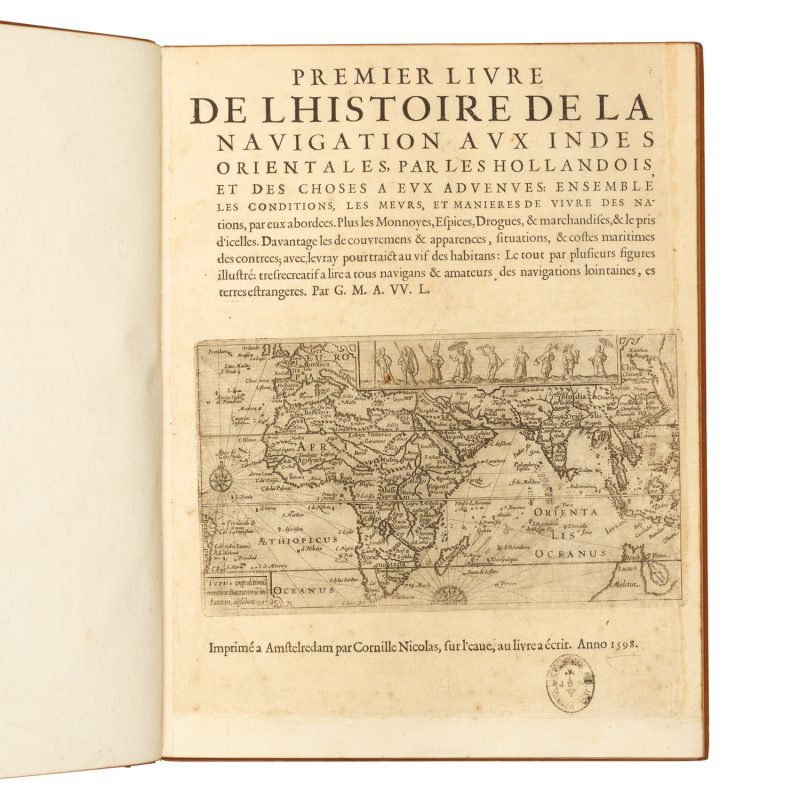
Premier livre de l’histoire de la navigation aux Indes Orientales, par les Hollandois;
$25,000.00 AUD
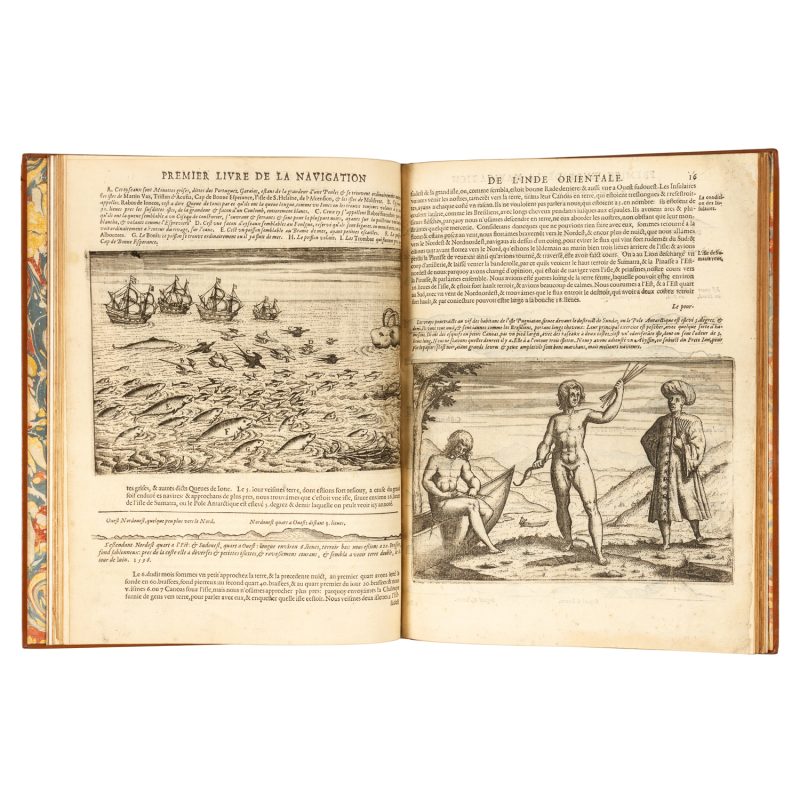
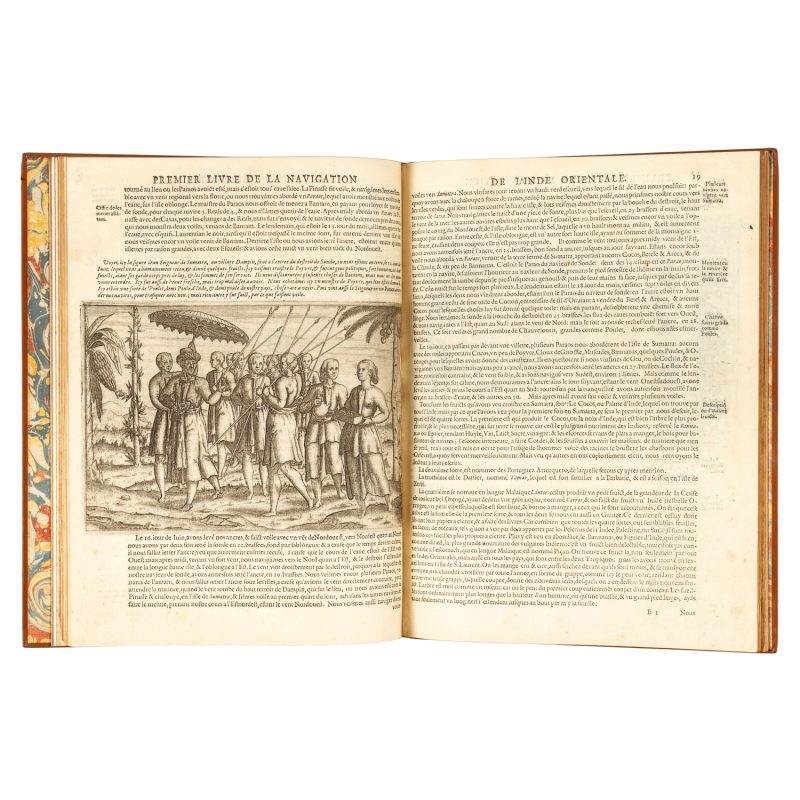
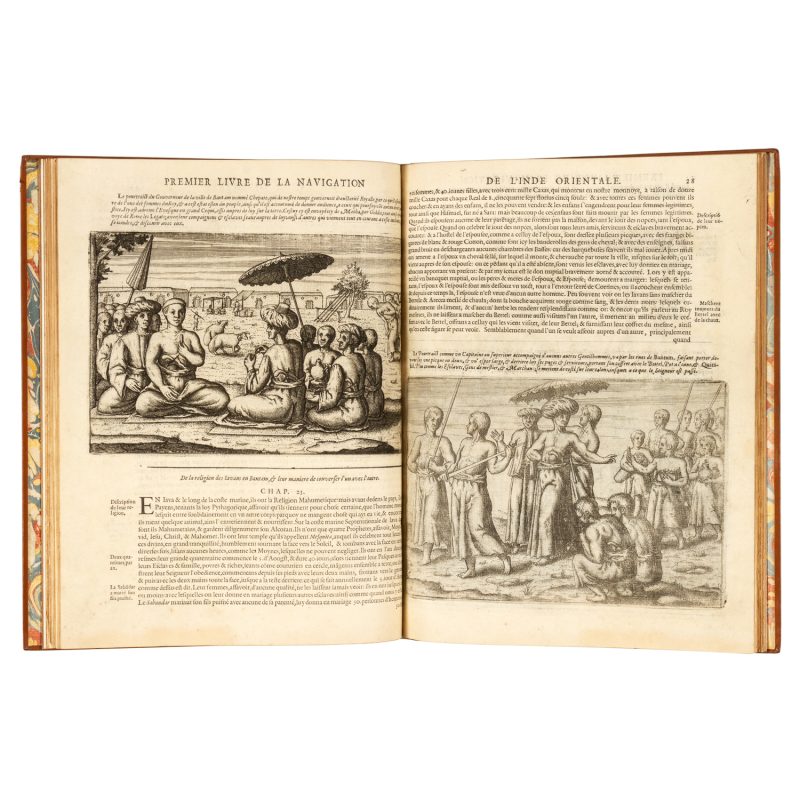
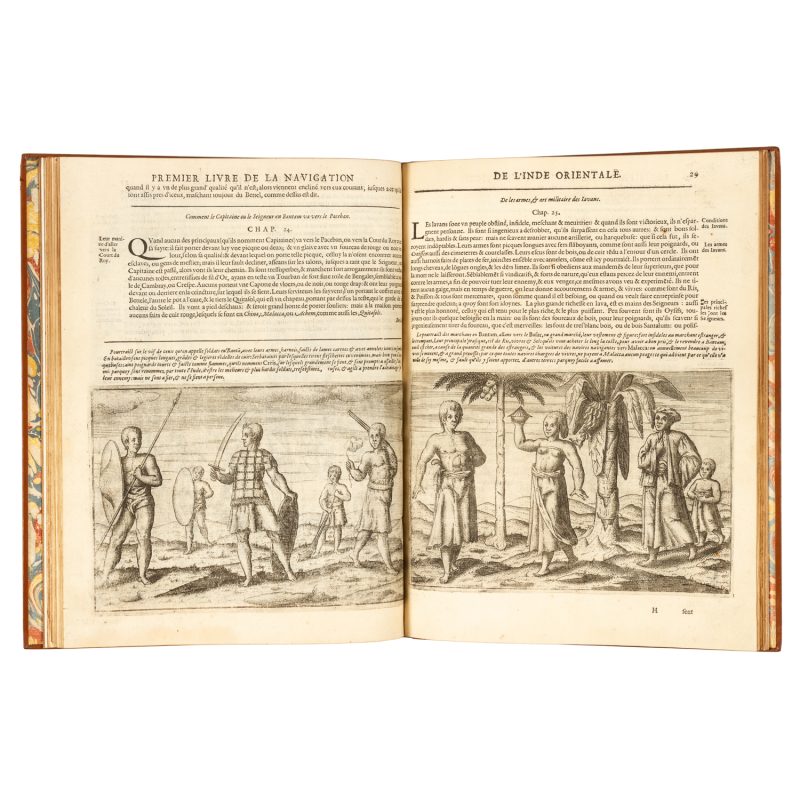
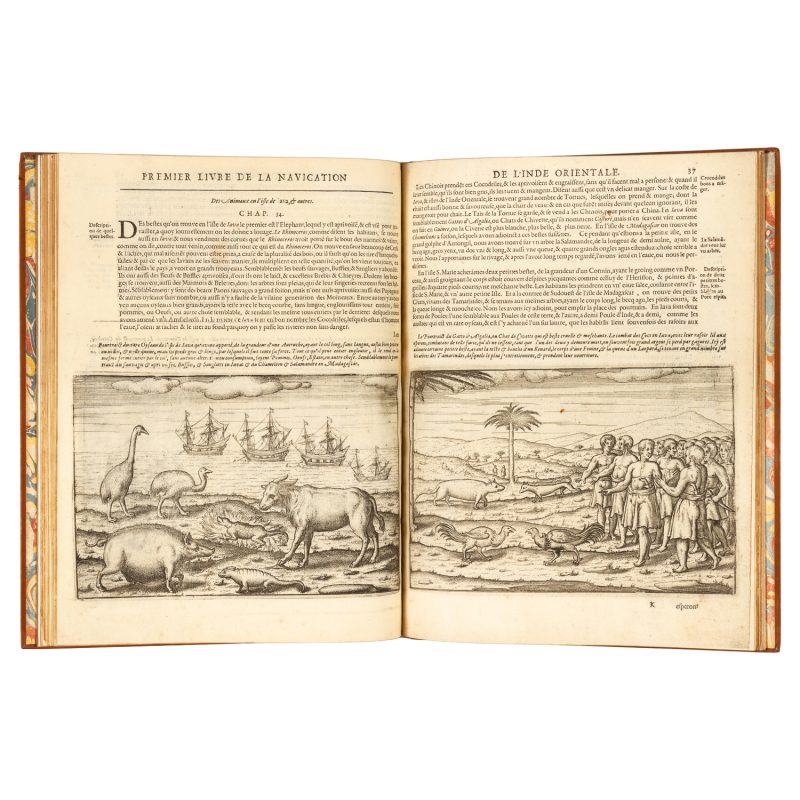
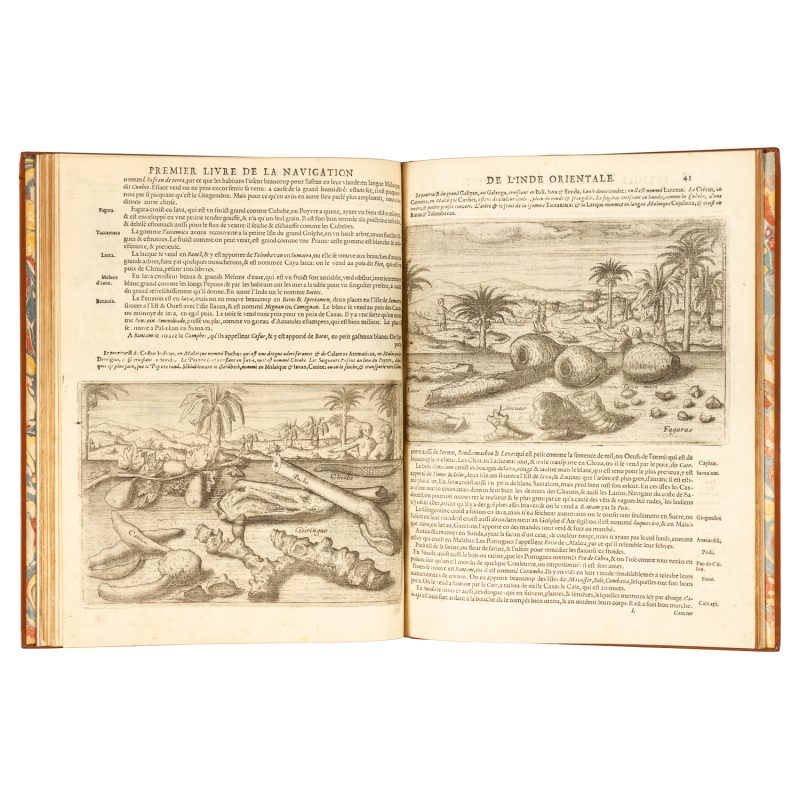
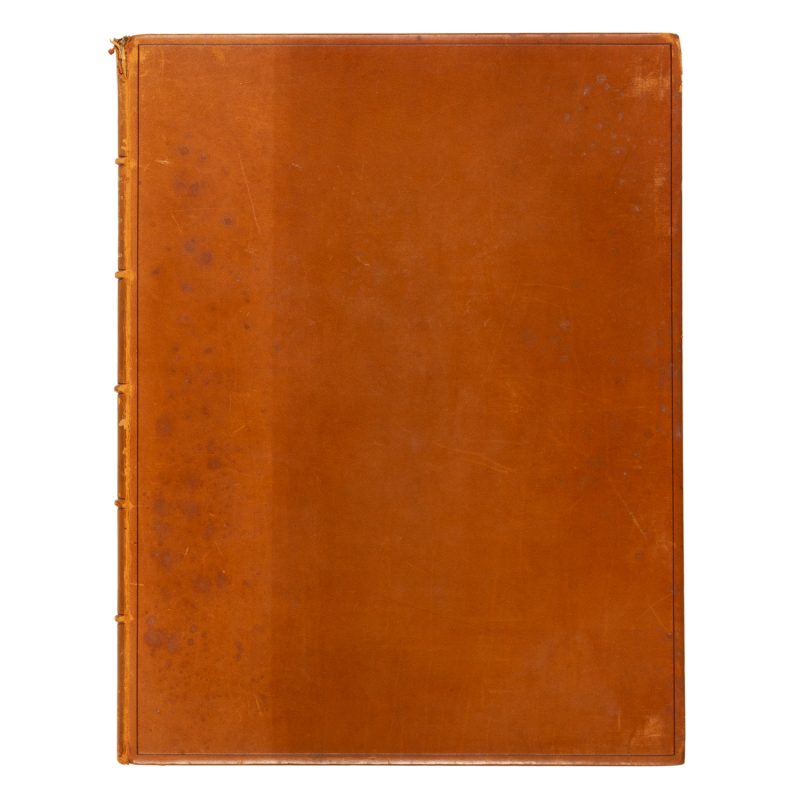
et des choses a eux advenues: ensemble les conditions, les meurs, & manieres de vivres des Nations, par eux abordees. Plus les Monnoyes, Espices, Drogues, & Marchandises, & le pris d’icelles … … Amstelredam [Amsterdam] : Cornille Nicolas [Cornelius Nicolaius], 1598. Folio, later full polished calf (sunned and lightly marked), spine with raised bands and gilt lettering (frayed at head), marbled endpapers; ff. 53, [1] (engraved plate of coins); title with large engraved map, and with small early stamp of the Domus Lugdunensis Soc. Jesu (Lyon); in the text are a further 47 engraved maps and plates, plus many woodcut coastal profiles and anchorage diagrams; woodcut initials; title and following leaf (Au lecteur) re-margined; crisp and clean throughout, a fine copy.
First edition in French of the major account of the first Dutch voyage to the East Indies, which was undertaken by a fleet under the command of Cornelis de Houtman (1565-1599). This voyage would lead to the creation of the Dutch East India Company (VOC) and pave the way for the Dutch colonisation and commercial monopoly of the Malay Archipelago that would endure for three centuries. It would also ultimately lead to the Dutch discoveries on the western and southern costs of Australia, and of New Zealand. The account is based on the voyage journal kept by one of the commissaires on board the Mauritius, Willem Lodewijcksz, who would later (as Admiral) lead an expedition to Brazil in company with Joris van Spilbergen.
Houtman’s four ships departed from Texel at the beginning of April 1595, with the intention of venturing to the East in order to establish Dutch interests in the region; this enterprise would be in direct competition with the Portuguese, who up to that point had controlled the spice trade. Sailing by way of Brazil and the Cape of Good Hope, they entered the Indian Ocean. In October they landed in Madagascar, where by the end of an enforced stay of six months 71 out of the 248 sailors had died – most of scurvy – including the captain of the Hollandia, Jan Dignumsz. The expedition continued and managed to reach Sumatra in May 1596. It then proceeded to Java, reaching Bantam (Banten) the following month. Here, Houtman enjoyed the initial success of sealing a treaty between the Sultan of Bantam and the Dutch in the name of the Prince of Nassau. However, having already aroused the suspicions of the local Portuguese traders, Houtman was ultimately banished by the Sultan for his undiplomatic behaviour. The Dutch ships, though, were proving to be dangerously unseaworthy, leading to discord between the captains, merchants and crews. The ships made for Bali, and the plan of sailing on to the Moluccas had to be abandoned. By the time the beleaguered expedition returned to Texel in August 1597, with a small but profitable cargo of pepper, only eighty-seven of the original crews remained alive.
JCB I 364; Alden 598.59; Tiele-Muller 113; Adams L-1397; Howgego H105